Do you need skincare?
No. You can definitely survive without it. However, it can directly and indirectly improve your well-being . If your skin is happy with itself? Great! Sunscreen is still recommended, as some UV damage only becomes apparent in the long term!
Where do I begin?
Not all skin is the same, but most skin benefits from these basics : gentle cleansing, moisturizer, and sunscreen. These three steps alone can significantly improve how your skin feels. This foundation should be in place before you even think about other products. Otherwise, even the best serum won't do much good.
Can I use the same products every day?
Yes! There's no reason why your skin needs a change. But your curiosity might? No problem. Just be sure to check the expiration dates of products if you have many open at once. An exception is potent active ingredients with irritation potential, such as retinol. In this case, it's advisable to use them only 1-3 times a week.
Can I use the same products in the morning and evening?
Yes! Provided you need the same product categories. Sunscreen should be used at least in the morning . Cleanser and moisturizer are optional. Try both and see what feels better. With or without. In the evening, a cleanser should remove dirt from your skin, and a moisturizer should protect it from drying out. Sunscreen isn't necessary in the evening.
In what order do I apply the products?
There are two basic rules of thumb for skincare products: from liquid to viscous and from watery to oily . Ultimately, though, what works best is what you like. Exceptions: potent active ingredients are better applied to dry skin to prevent irritation. Always apply sunscreen as the last step before makeup .
What are toner, essence, fluid, etc.?
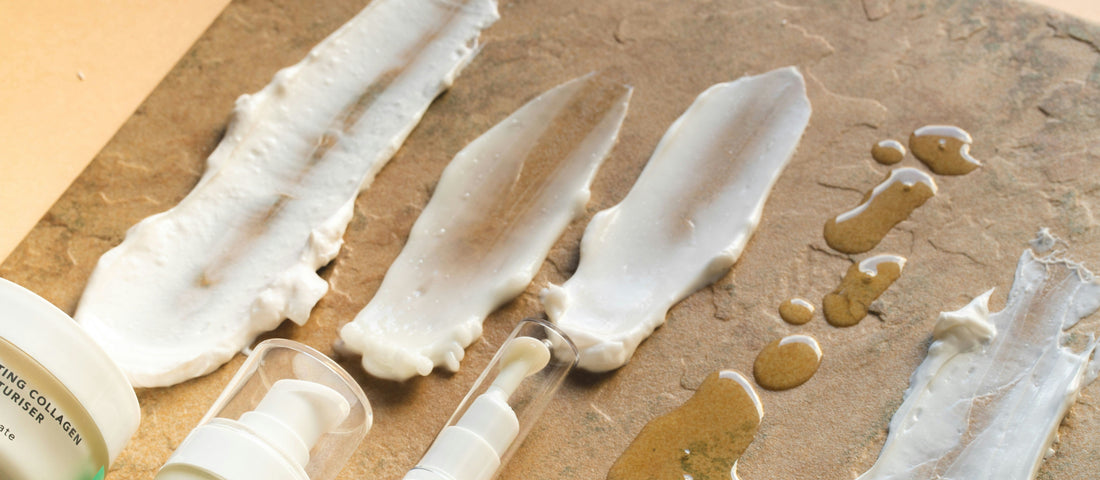
Unlike terms like ointment or lotion, serums are not clearly defined. They describe the product's consistency, distinguishing it from a classic cream. A serum is often more liquid and transparent. It may, but doesn't have to, be enriched with active ingredients. Find a texture you enjoy.

Photo: by Ian Dooley via Unsplash
Do I need to wear a moisturizer under my sunscreen?
No! Sunscreen is already a cream and rich enough for many people. Many with skin that isn't very dry prefer to wear just a serum or nothing underneath at all. Some people want a little more care or have a very light sunscreen, and that's fine too.
Do I need to wear sunscreen in winter and indoors?
It's not absolutely necessary. Wearing sunscreen outdoors, even with a UV index of 3 or higher, already significantly reduces the risk of skin cancer. Those who are otherwise exposed to a lot of light (e.g., sitting at a desk directly in front of a window) can benefit from theUVA protection in sunscreens designed for slow aging , for example, with a UVA booster .

Photo: by Mika Korhonen via Unsplash
Are fragrances bad?
No. However, they are among the most common allergens . They offer no benefits for the skin. But perhaps they soothe your soul? If you have skin problems, it's worth starting by eliminating them, as the likelihood of seeing improvement is relatively high. Those who tolerate them well can certainly continue using them.
Is natural cosmetics better?
Natural cosmetics isn't a universal quality indicator. It's a set of criteria a product must meet. Whether these criteria align with your needs is debatable. It's better to search specifically according to your own values and preferences.
Do I need to know my skin type?
It's often helpful to know how dry or oily your skin is to assess how much care it needs. However, you can't always rely on manufacturer recommendations, and you don't even have to follow them. Often, the perception of richness varies greatly from person to person.
I haven't seen this product used by any skin influencers yet. Is it any good?
There are simply too many brands and products. Many are mentioned by someone else without you even realizing it. But that doesn't mean anything at all. Sure, reading reviews or consulting experts with similar skin types can be helpful. But there's never a guarantee that it will work for everyone. Please don't lose your courage and curiosity to simply try out appealing products!

Photo: by Kelsey Curtis via Unsplash
Is my skin dry or dehydrated?
Dry skin is usually genetically determined and produces little oily sebum. Dehydrated skin is a skin condition that lacks moisture (water). The latter can often be alleviated with the right care. Dry skin primarily benefits from emollients, while dehydrated skin benefits from humectants.
What comes after the basics?
You've found the three basics that work for you and want to take it a step further? Then become aware of your skin's needs. Skin types and skin needs are two different things and can occur in various combinations. While your skin type is difficult to change, you can perhaps address its specific needs. What is your goal? This is where targeted active ingredients can be incorporated.
Which active ingredients are suitable for blemished skin?
There are several options: salicylic acid, retinoids, azelaic acid, niacinamide, zinc, benzoyl peroxide, etc. But please don't use them all at once; try one after the other with several weeks in between (or stick with just one). Not all active ingredients work equally well for everyone.
Which ingredients should I avoid?
Unsuitable ones. These aren't necessarily the ones that apps are marked as red. You often have to figure that out for yourself.
A miracle cure for all skin problems?
There isn't one! Except perhaps patience ...
Any further questions?
Feel free to leave a comment or follow us on Instagram!
Your Ying
Engineer, cosmetic scientist and founder of Skingineered